
About Lee's Bees

My name is Jeffrey R. Lee, and I'm the owner and operator of Lee's Bees. I got my first two beehives when I was 13, and beekeeping has been my passion ever since—through middle school, high school, and even a detour into a career in pharmaceutical chemistry. But after about five years in that field, I realized I'd always have a boss if I stayed. So I sold everything I owned, maxed out my credit cards, took out a home equity loan, and bought bees. It was a leap of faith—relying on an insect to pay all your bills is a little terrifying if you think about it too hard—but I believe I was prepared for this path, and I've had faith that things would work out as long as I kept at it honestly.
Today, Lee's Bees maintains around 2,000 to 3,000 colonies. Our work centers on three things: professional crop pollination for farms across the country, bee packages and nucs for other beekeepers, and gourmet varietal honey.
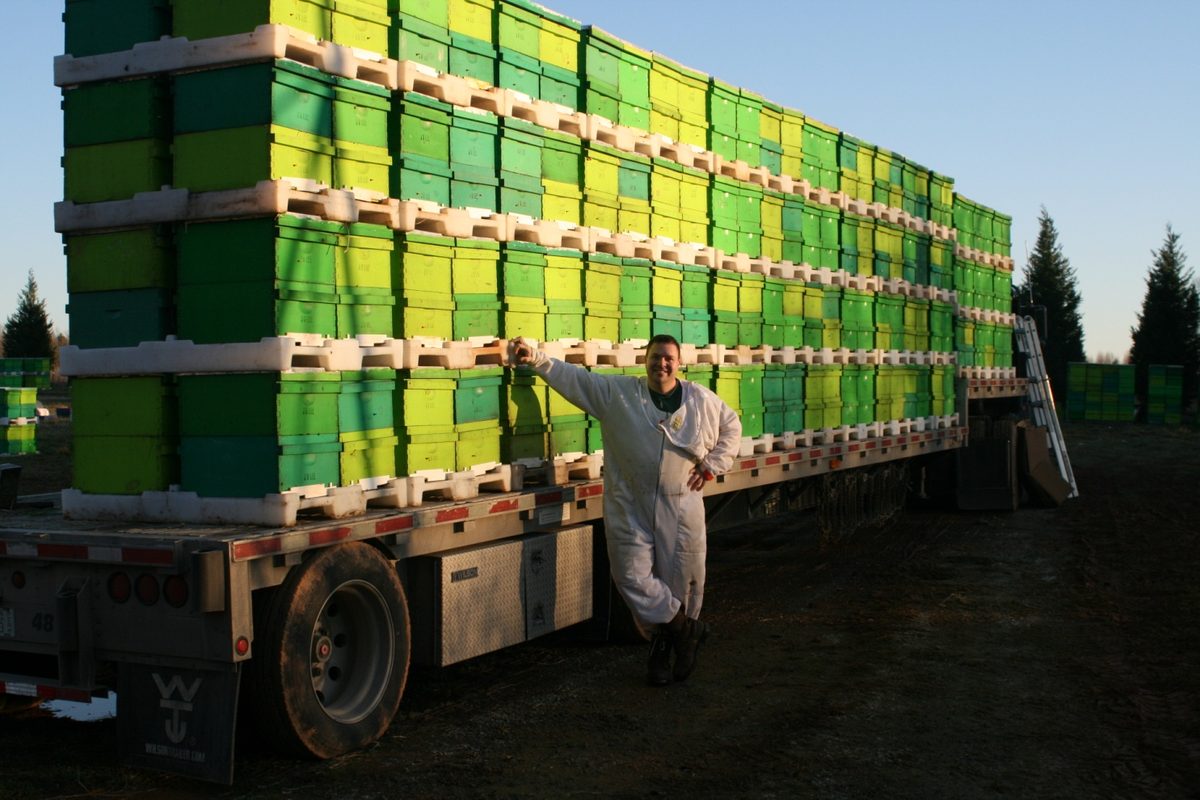
I like to describe myself as a "bee shepherd." Throughout the year, I move our bees to wherever the flowers are, because if I didn't, they'd quickly starve—some flowers are excellent nectar sources, while bees will only visit others out of desperation. Our season starts in February, when we load bees onto semi-trucks bound for California to pollinate almond orchards. By mid-March they're back in North Carolina for high-bush blueberries in Bladen County, and some head to Maine in early May for low-bush blueberries. From there, bees go to eastern North Carolina for watermelon, squash, and pumpkins or to Wisconsin for cranberry bogs, before everyone returns home to North Carolina by July.
Our honey follows its own seasonal journey. The first harvest of the year comes in April from water tupelo trees growing in the swamps of Martin and Bertie counties. Water tupelo is one of the sweetest honeys we produce, with a smooth, mild flavor. From April through June, our colonies in North Carolina's Piedmont and Inner Coastal Plain gather nectar from a seasonal mix of blossoms, including blackberry, redbud, holly, tulip poplar, and clover, to produce our wildflower honey. Gallberry honey comes from Hyde and Bladen counties, including the area around Bladen Lakes State Park. In late June, we move bees from their home bases in Mebane and Jamesville to the Blue Ridge Parkway, where—when the weather cooperates—they produce smooth, rich, and buttery sourwood honey.
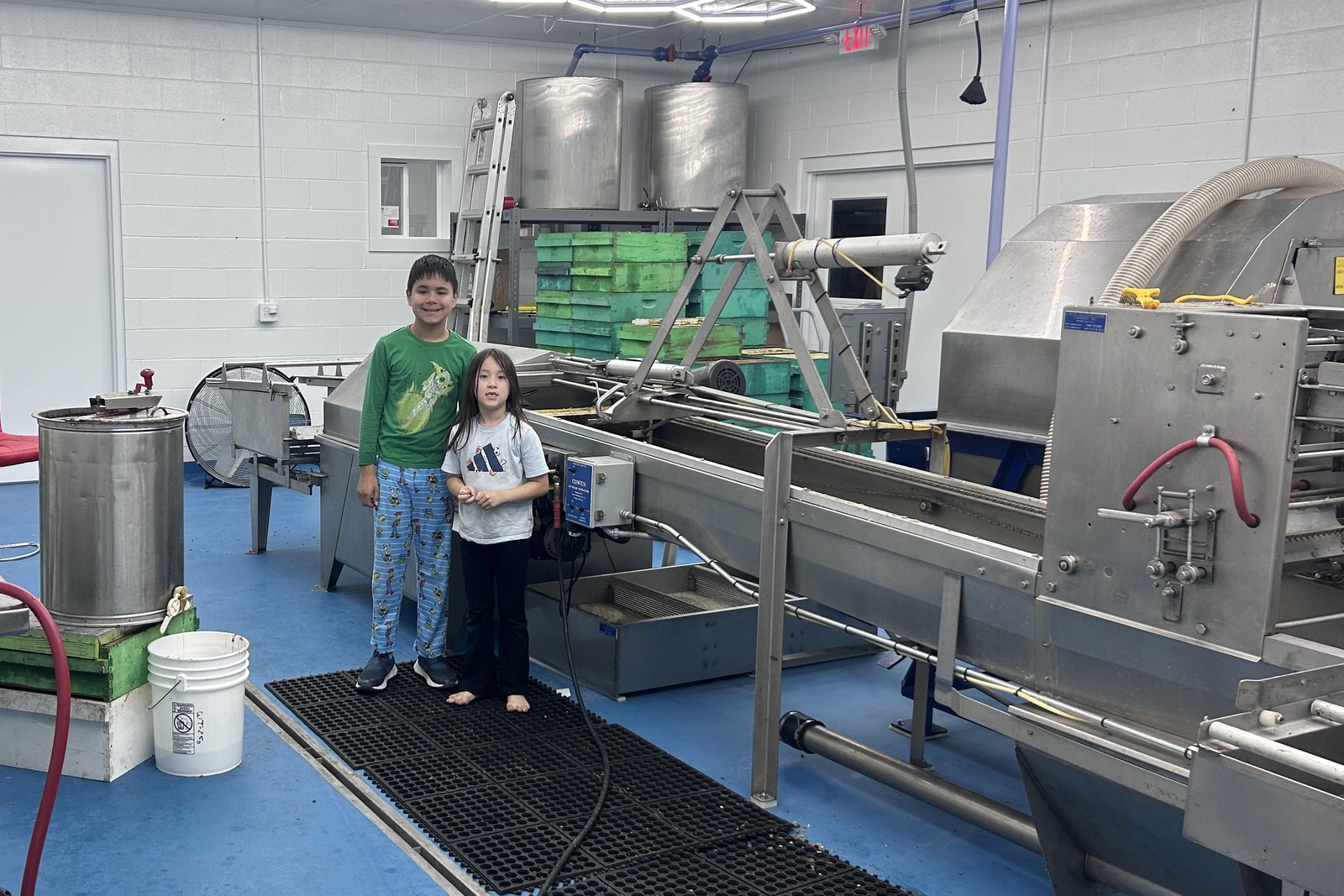
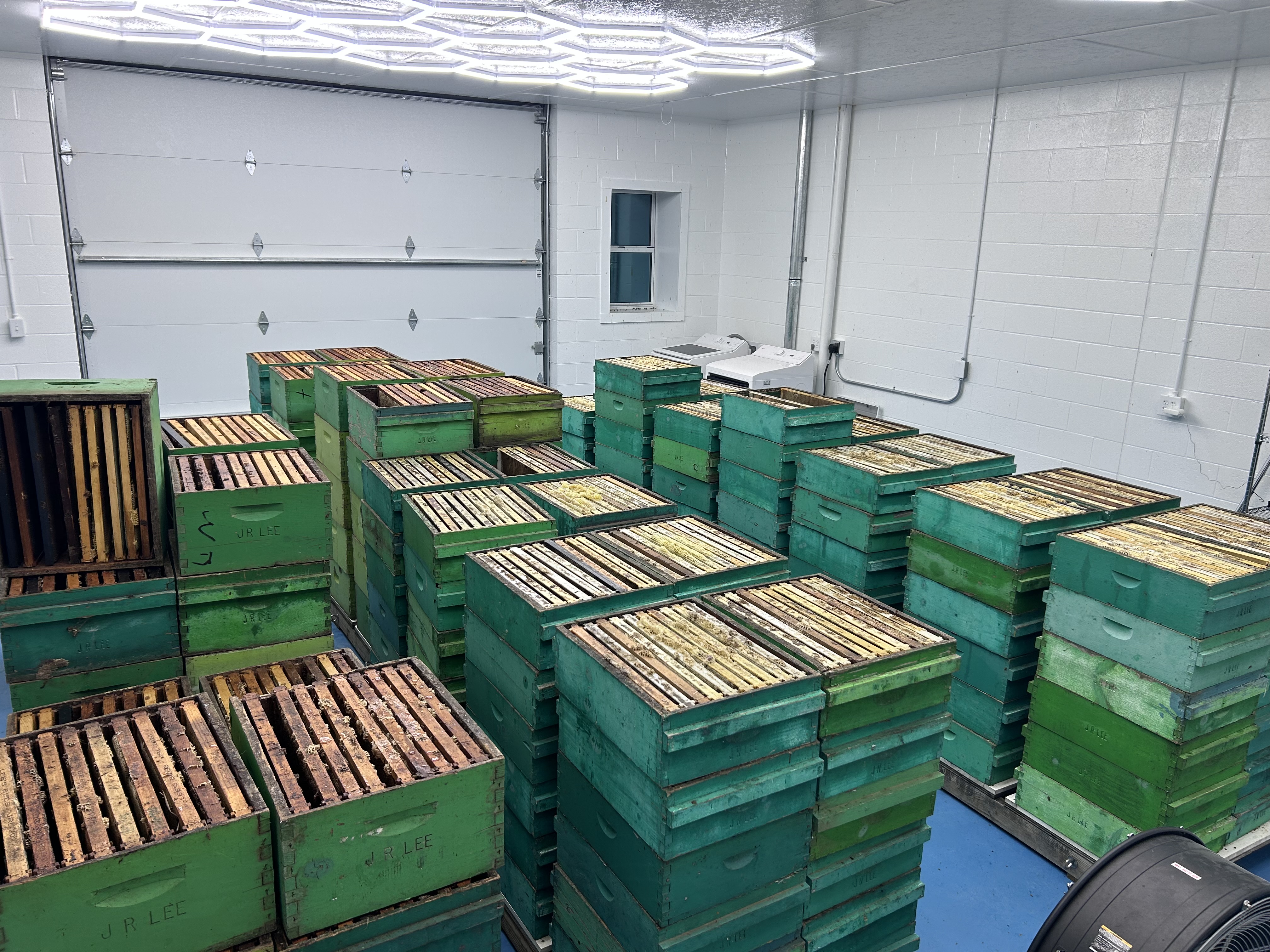
Lee's Bees is based in Jamesville, North Carolina, right alongside four miles of tupelo swamp. I've been doing this since 1990, when I first fell in love with North Carolina, and it's been the ride of a lifetime ever since.
A family business
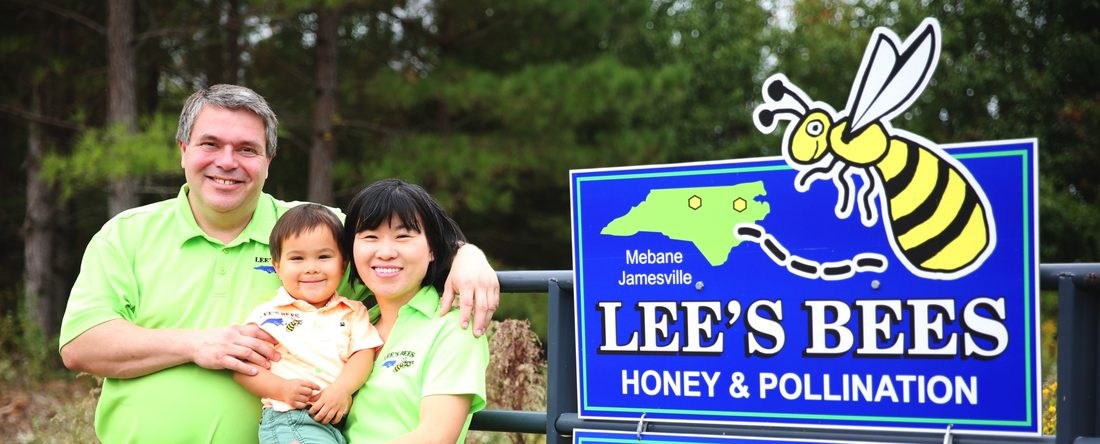
Lee's Bees is a family operation. Hye-Sook Lee, Ph.D., handles honey and bee pollen sales—and Wayland and Willow Lee are in training as future CEOs.
The next generation of Lee's Bees


See Lee's Bees in action
Watch Meet Lee's Bees, an Ag Carolina Client, a short video produced by Tabletop Media Group of Raleigh, NC. More press is on our home page.