
Honey Bee Pollination Services
Lee's Bees is a commercial beekeeping operation that provides professional crop pollination for farms across the country. We manage roughly 2,000–3,000 colonies, and our entire livelihood depends on keeping them strong and healthy.
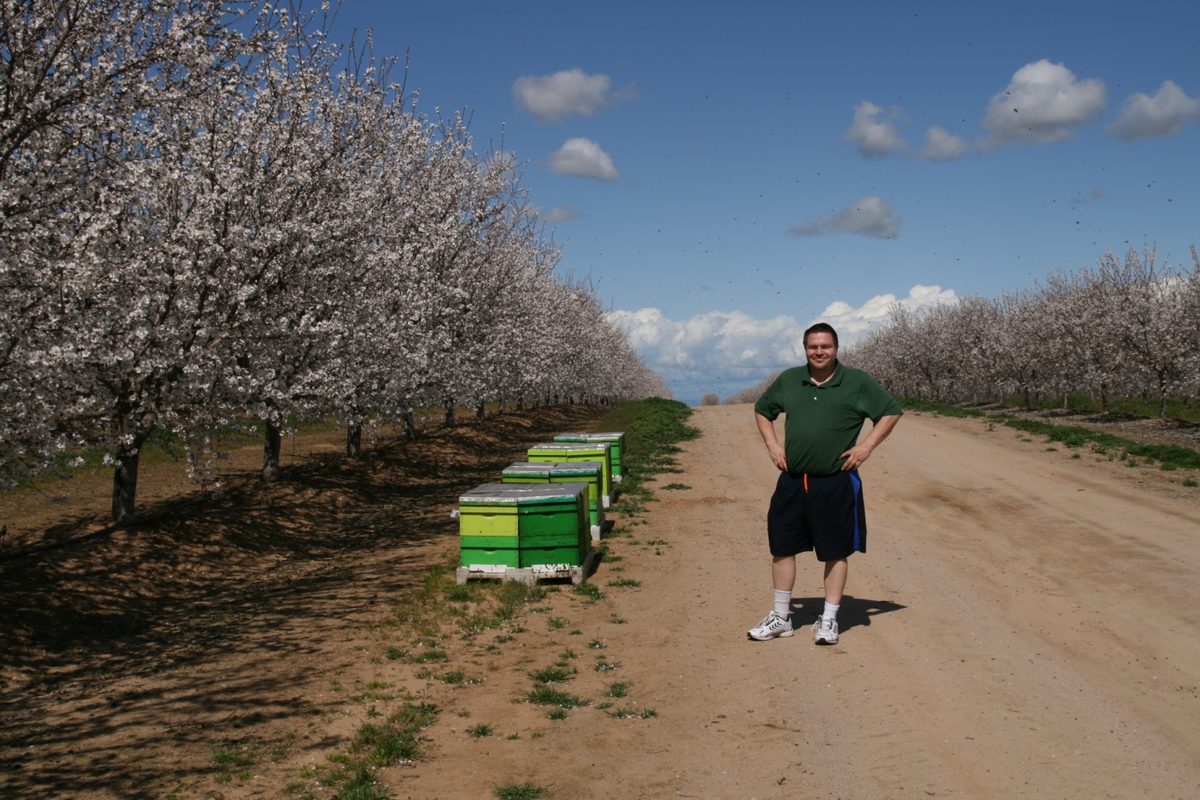
Crops we pollinate
- Almonds — February, March
- High-bush blueberries — March, April
- Low-bush blueberries — May
- Cranberries — June
- Watermelon, Squash — June, July, August
- Pumpkins — July, August
When we're available
Pollination services run February through September, following the bloom from early-season almonds to summer vegetable and berry crops. Because dates are driven by bloom timing, it's best to reach out well ahead of your season so we can plan placement and transport.
Where we work
Each year our colonies travel to California for almonds, to North Carolina and Maine for blueberries, into eastern North Carolina for watermelon, squash, and pumpkins, and to Wisconsin for cranberries, before returning home to North Carolina. We have the trucks, permits, and routing experience to move large numbers of colonies over long distances on schedule.
What farmers should provide
Clear communication and a shared understanding between beekeeper and farmer go a long way toward a successful pollination. When you contact us, it helps to include:
- Your crop and expected bloom window
- The farm's location
- Approximate acreage
- Any planned pesticide or chemical applications and their timing
Pesticide policy: We do not place our bees on crops treated with pesticides or other chemicals that could harm or kill them. Please talk with us about spray schedules before the bees arrive.
Why professional colony management matters
When crop yield depends on timely pollination, experience, communication, and colony strength matter. Lee's Bees operates thousands of colonies and understands the scheduling, transportation, and management required for professional agricultural pollination. Because our income comes entirely from our bees, we do everything possible to keep them strong and healthy—which is exactly what a paying crop needs.
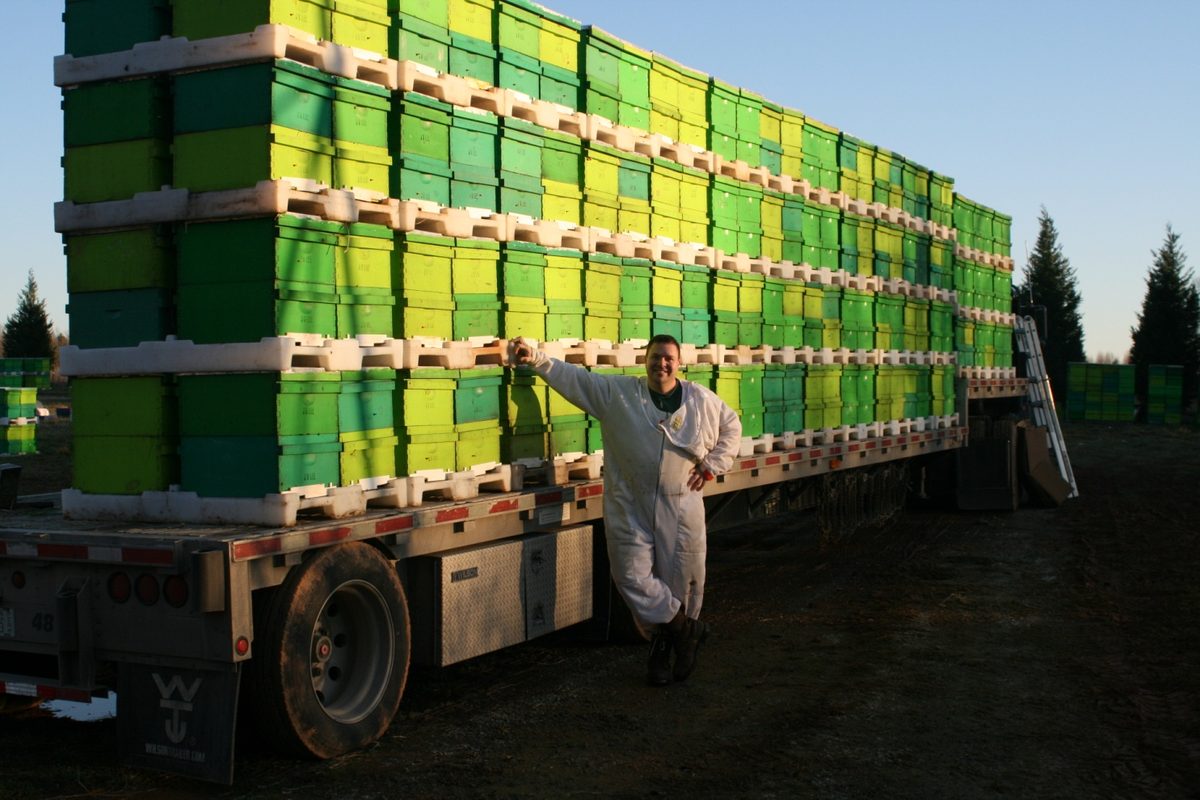
Pollination services are available February through September. Contact us before your growing season to reserve colonies.
Farmers and existing pollination customers may call Jeff directly at 919-949-6140. You may also email jeff@leesbees.org or use the contact form.
Pollination questions
What is pollination?
Pollination is the process by which pollen moves from a plant's male reproductive organ (the anther) to its female reproductive organ (the stigma), allowing the plant to form seeds and produce fruit.
Why are honey bees vital to agriculture?
Honey bees pollinate more than 130 agricultural crops and add billions of dollars in annual value through increased yields. As wild bee populations have declined and farms have grown larger, many farmers rely on managed honey bees to ensure their crops are properly pollinated.