
Our Honey and Bee Pollen
All of our honey products are pure and raw—produced by our own bees in North Carolina, spun from the comb, gently strained, and bottled with nothing added and nothing removed.
Honey by Mail
Ships nationwide — choose a fixed two-, three-, or four-jar assortment and calculate shipping by ZIP code.
Premium Honeys
Limited North Carolina honeys valued for their distinctive floral source, flavor, and seasonal harvest.
-
 Available now Shipping available
Sourwood Honey
The prized honey of the Blue Ridge—smooth, rich, and buttery, with a pleasant, lasting sweetness.
Learn more -

 Coming soon
Sourwood Honey with Comb
Extracted sourwood honey together with pieces of natural, honey-filled beeswax comb.
Learn more
North Carolina Specialty Honeys
Small-batch varietal honeys produced from distinctive nectar sources in eastern North Carolina.
-
 Available now Shipping available
Water Tupelo Honey
Very sweet, smooth, and mild, with a light, delicate flavor that's less rich than our sourwood honey.
Learn more -
 Available now Shipping available
Clary Sage Honey
A rare varietal from eastern North Carolina—light amber, smooth, and aromatic, with a delicate floral sweetness.
Learn more
Pure & Raw Honeys
Everyday North Carolina honeys produced by our bees, gently strained, and bottled without high-heat processing.
-
 Available now
Wildflower Honey (Piedmont Blend)
A changing seasonal blend of local blooms—generally amber, with a rich, balanced flavor.
Learn more -
 Available now
Gallberry Honey
Deep amber, mild, smooth, and pleasantly sweet, from gallberry (inkberry) blossoms in eastern North Carolina.
Learn more -
 Unavailable for 2026
Cotton Honey
A light-colored eastern North Carolina honey with a smooth texture and mild, blended flavor.
Learn more
Bee Pollen
Bee pollen is offered separately because it is not a honey variety.
-
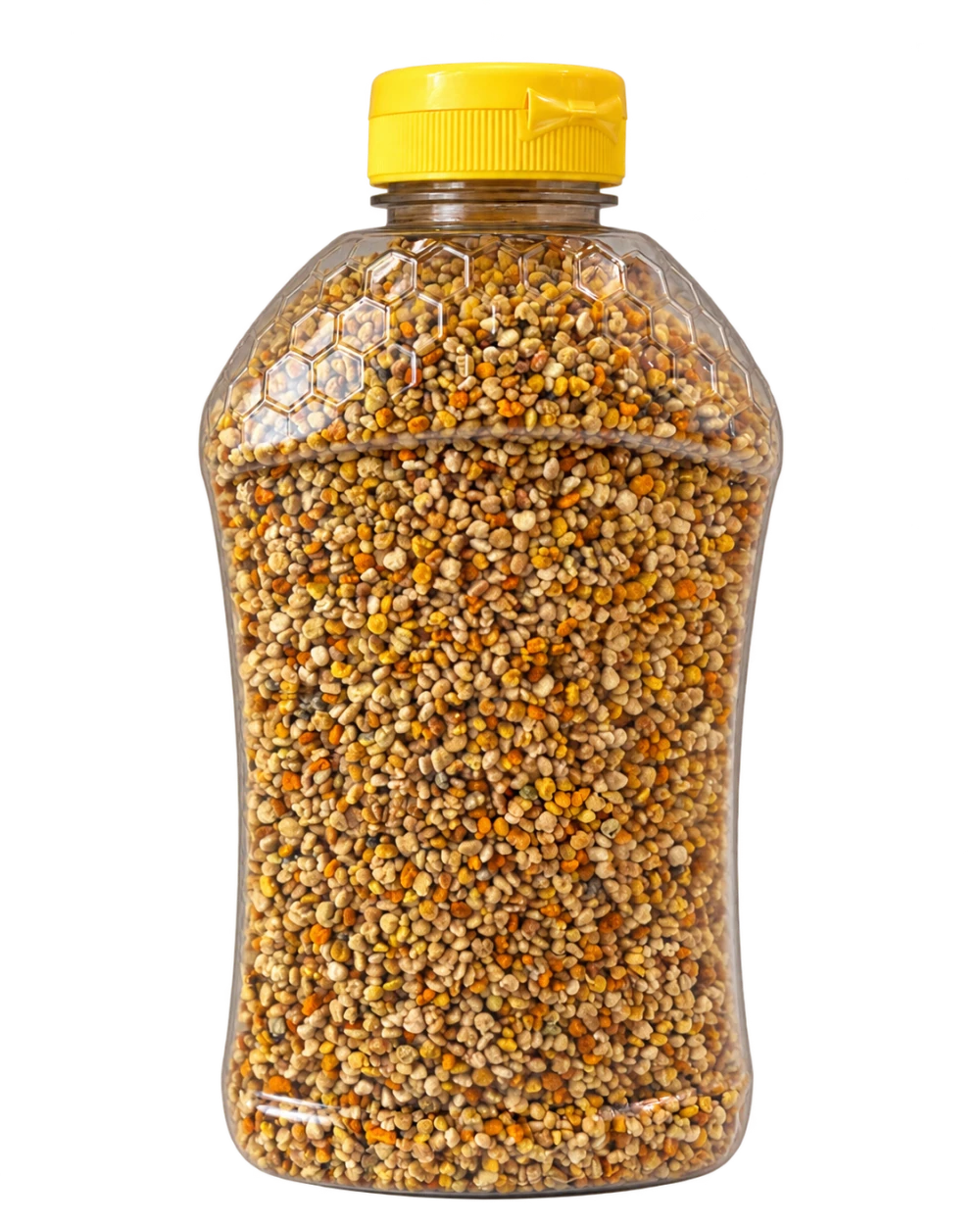 Available now
Bee Pollen
Fresh local bee pollen collected from our own North Carolina hives.
Learn more
Where to buy
You can buy our honey and pollen directly from our Mebane and Jamesville locations. To arrange a visit, please email Hye-Sook Lee at hyesook@leesbees.org.
We also deliver our products to the following stores and shops (availability varies—please call the store ahead):
- Foust Corner Market (Mebane, NC)
- Weaver Street Market (Hillsborough, Carrboro, and Southern Village, NC)
- Tin Roof Teas (Raleigh, NC)
- High Cotton Farms (Williamston, NC)
- Whole Foods (Chapel Hill and Cary, NC — pollen only)
- Penny Farms (Willow Spring, NC)
Why choose Lee's Bees honey?
1. Produced and bottled by Lee's Bees
All of our honey is produced and bottled by Lee's Bees in North Carolina. We are both the producer and the distributor, unlike most beekeepers who wholesale their honey to packers. That means we can control the quality.
2. Gently strained, without high-heat processing
After harvest, the honey is spun from the comb and strained through cheesecloth or nylon, then bottled—true raw honey. It is never filtered under the high heat and pressure used to process most grocery-store honey.
3. Handled in inspected processing facilities
Our honey is handled in processing facilities inspected by the North Carolina Department of Agriculture, so you know it has been bottled in a clean, safe environment.
Honey questions & answers
My clear honey turned cloudy. Did it spoil?
No—crystallization is not a sign that honey has gone bad. Honey that contains more glucose than fructose will eventually crystallize. Placing the jar in warm water for several minutes will safely return it to liquid form. Honey will not spoil as long as the jar is sealed.
There is white material at the top of my jar. What is it?
Because our honey is raw and unfiltered, some of the natural wax and air bubbles in the honey can separate and rise to the top. It is perfectly fine to eat.
Can I eat the honeycomb?
Yes. The comb is made of beeswax and holds the honey—it is entirely edible.
What is bee pollen?
Bee pollen consists of pollen from a variety of plant species, mixed with plant nectar. It is the food of young bees and a natural source of protein. See our bee pollen page for more.